

Corporate merch decoration methods: the ultimate guide for your brand
05.09.2025Author — Roman Romanov
Manager at Nikofirm
Contents:
Silkscreen printing
Embroidery
Heat Transfer
UV Printing
Debossing & Embossing (Relief Decoration Methods)
DTF (Direct-to-Film) Printing
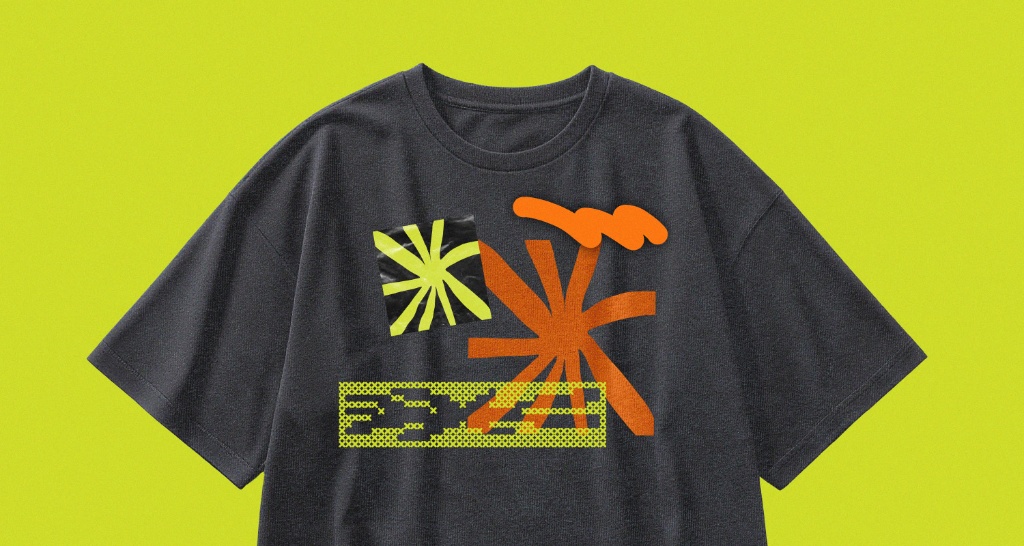
In the world of corporate gifts and branded apparel, the importance of selecting the right decoration method cannot be overstated. The right decorative techniques not only help your brand stand out from the competition but also improve its overall perception. In this article, we will go in-depth into the most popular apparel decoration methods and help you choose the best one for your needs.
Silkscreen printing
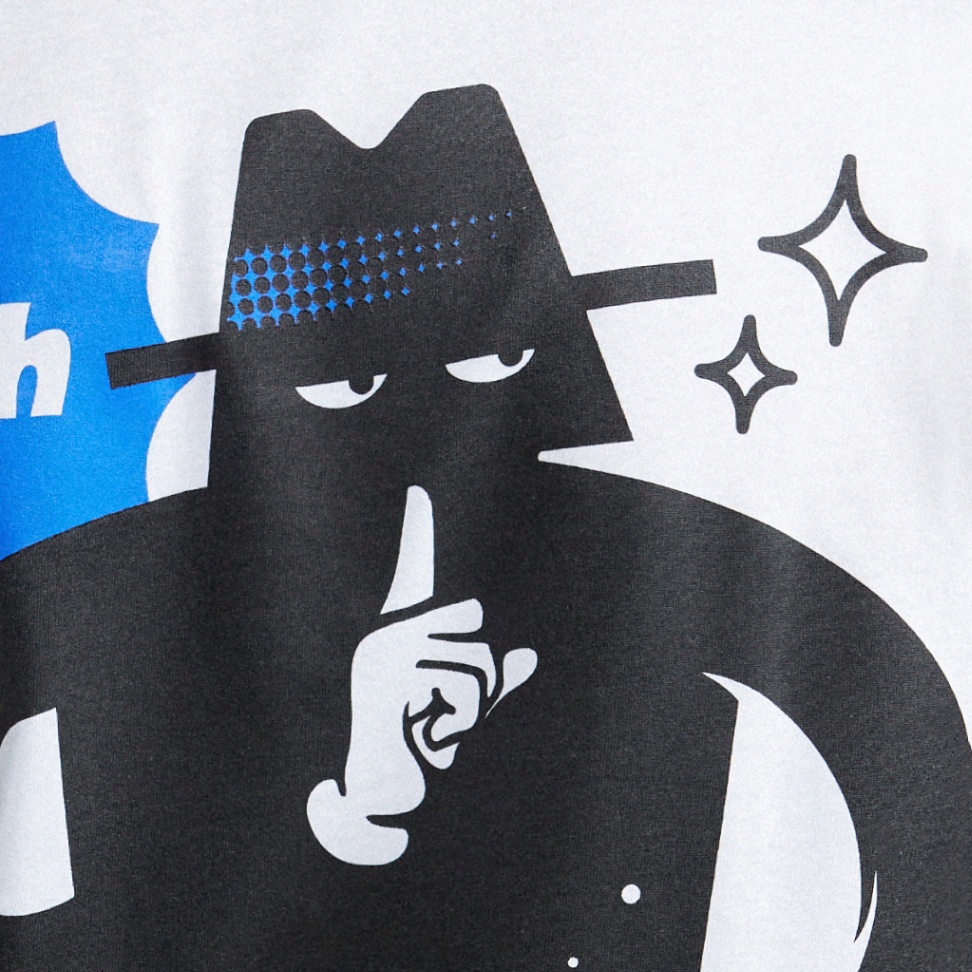
Screen printing is one of the most common apparel decorating methods used to create vibrant, durable images on fabric. It involves using a special stencil (or screen) through which ink is applied to the surface of the product. This decoration technique is ideal for:Advantages of Screen Printing:
- Bright Colors: Screen printing produces vivid, long-lasting designs.
- Durability: This decorating technique is resistant to washing, making it perfect for items that are frequently worn.
- Color Limitations: Each additional color increases the cost and complexity of the design.
- Not Ideal for Small Details: Fine lines and intricate details may not be accurately reproduced.
Embroidery
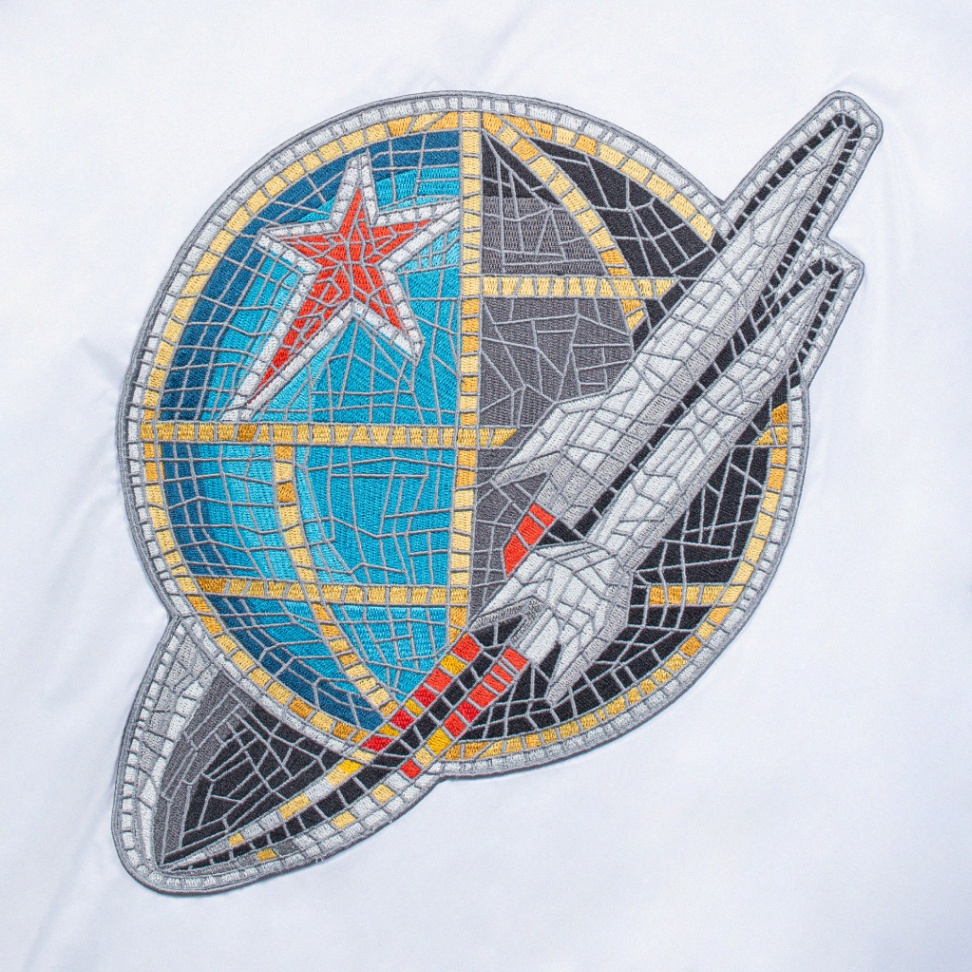
of the most popular decoration techniques, creating a textured, high-end look. Embroidery is ideal for:
- Polos
- Jackets
- Caps
- Bags and accessories.
- High Perceived Value: Embroidered logos often look more premium.
- Durability: Embroidery can withstand frequent washing and wear.
- Suitable for Various Materials: It works on a wide range of fabrics, from cotton to heavier outerwear.
- Limited Colors: The number of colors is restricted by thread options, and additional colors increase the cost.
- Not Ideal for Intricate Designs: Small text or detailed logos may not be embroidered well.
Heat Transfer
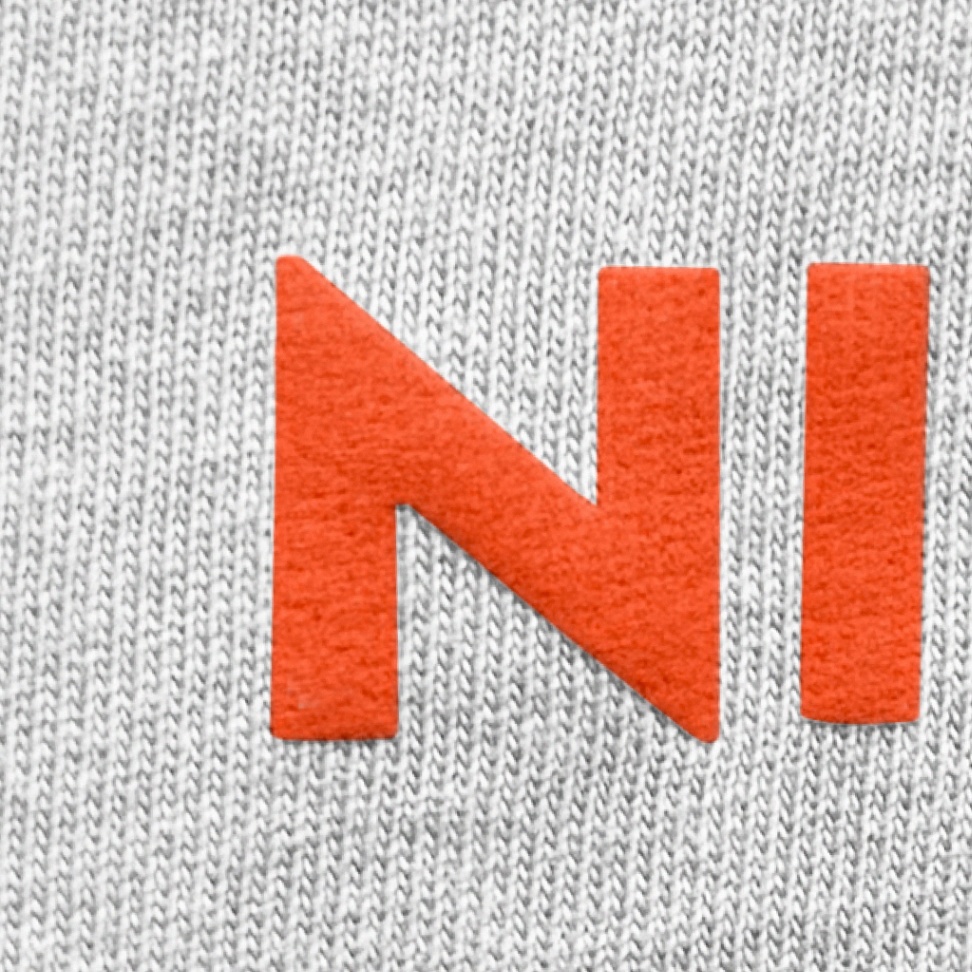
Heat transfer printing is a decoration method where the design is transferred onto fabric using heat and pressure. This method is often used for detailed, multi-layered images, including photos. Heat transfer is great for:
- Sports uniforms
- Branded t-shirts and hoodies
- Products requiring intricate, detailed designs.
- Suitable for Complex Designs: Perfect for multi-colored or detailed logos.
- Quick Application: The process is faster compared to traditional screen printing.
- Image Quality: Over time, heat transfers can fade or crack, especially with frequent washing.
- Material Restrictions: Heat transfer may not work on all fabric types, especially delicate materials.
UV Printing
UV printing is a high-tech apparel decoration method where ultraviolet light is used to cure the ink instantly as it is printed on the fabric or surface. This allows for incredibly sharp, high-resolution designs. UV printing is best for:
- Small-batch orders
- Items made from unconventional materials (e.g., metal, plastic).
- High Quality and Precision: Ideal for printing with fine details and small fonts.
- Versatile Materials: Can be used on a wide variety of materials, including metal and plastics.
- High Equipment Costs: The machinery required for UV printing can be expensive.
- Material Limitations: The process requires specialized equipment and conditions to work effectively.
Debossing & Embossing (Relief Decoration Methods)
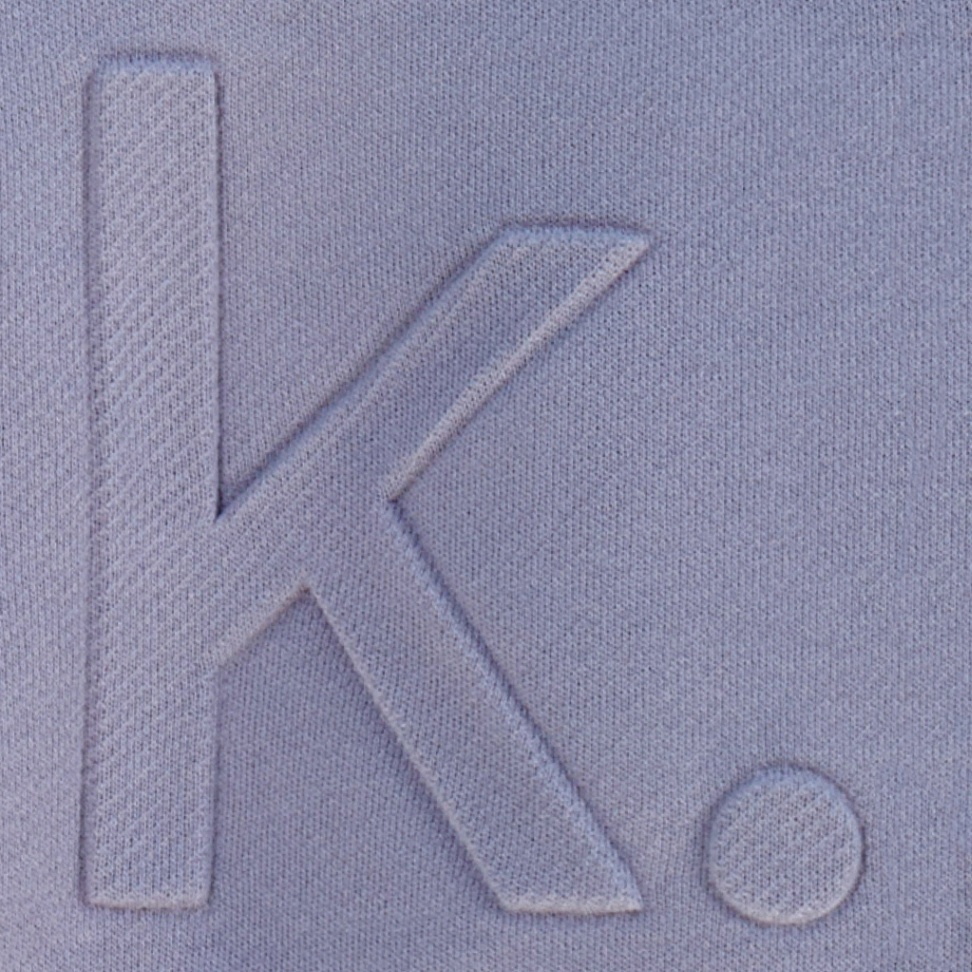
Debossing and Embossing are two popular techniques used to create unique textures on materials. Both methods add elegance and professionalism, but differ in technique and application.Debossing involves pressing a design into the material, creating a recessed image. This technique is often used on leather or other rigid materials to give them a sophisticated look. Embossing involves raising a design from the material, creating a raised image. This technique is commonly used on paper, cardboard, and soft materials like fabric to create an elegant and tactile effect.Let’s take a closer look at the Debossing and Embossing techniques, along with their advantages and disadvantages:
Debossing:
- Description: Creates a recessed design by pressing into the material.
- Materials: Ideal for leather and rigid materials.
- Applications: Commonly used on leather accessories, notebooks, bags, and wallets.
- Advantages: Offers an elegant, professional appearance, and durable design.
- Disadvantages: Not suitable for fabric, and the setup can be expensive.
- Description: Raises the design above the material, creating a tactile effect.
- Materials: Suitable for paper, cardboard, and selected fabric types.
- Applications: Frequently used on business cards, book covers, apparel, and packaging.
- Advantages: Creates a luxurious appearance with a tactile texture.
- Disadvantages: Best for thicker materials, and the process can be costly for large production runs.
DTF (Direct-to-Film) Printing
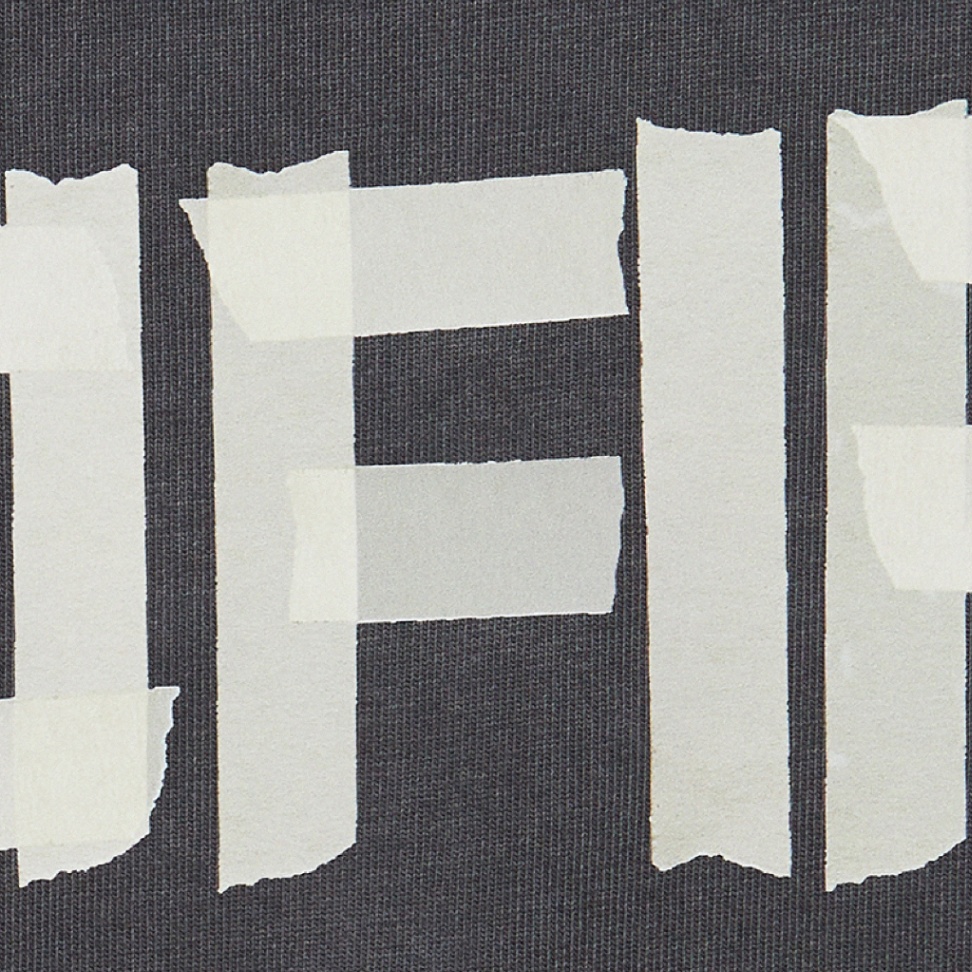
DTF (direct-to-film) printing is a process where ink is applied to a special transfer film, which is then transferred onto the fabric using heat and pressure. This method offers high-quality prints with excellent color vibrancy and durability. DTF printing is ideal for:
- T-shirts
- Hoodies
- Complex multi-colored designs
- Versatile Material Compatibility: Works well on various fabrics, including cotton, polyester, and blends.
- High Durability: Offers long-lasting prints that hold up well after multiple washes.
- Vibrant Colors and Detail: Provides excellent color reproduction, even for complex designs.
- Requires Specialized Equipment: DTF printing requires specific machines and films, which may increase setup costs.
- Potential for Stiffness: Depending on the material, prints can sometimes feel stiff compared to other methods.
FAQ
How do I choose the best decoration method for my product?
Can I combine multiple decoration methods?
How long will the designs last with these methods?
Author — Roman Romanov
Manager at Nikofirm