

Embroidery vs printing: durability, cost, and when each makes sense
26.06.2026Author — Roman
Manager
Contents:
How each method works
Durability: which one lasts longer
Cost: where the numbers shift
When each one makes sense
A quick decision checklist
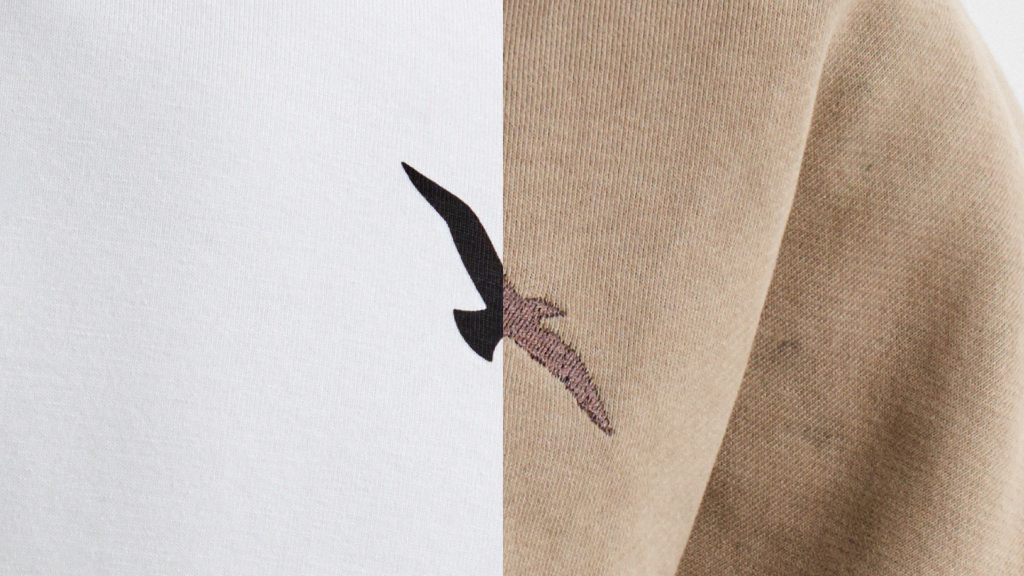
Choosing how to decorate apparel comes down to a few practical questions. Will the design survive a hundred washes? Does the budget work for the order size? And does the method actually suit the fabric and the look you want? Embroidery and printing each answer those questions differently, and neither is universally "better." Here's how they compare where it counts.
How each method works
Embroidery stitches the design directly into the fabric using thread. A digitized file guides the machine, and the result is a raised, textured logo or pattern that's literally part of the garment. Printing covers a broader family of techniques. Screen printing pushes ink through a stencil onto the surface. Direct-to-garment (DTG) (also known as DTF) sprays ink much like an inkjet printer. Heat transfer and vinyl apply a pre-made design with pressure and heat. Each lays color on top of the fabric rather than weaving into it.

Durability: which one lasts longer
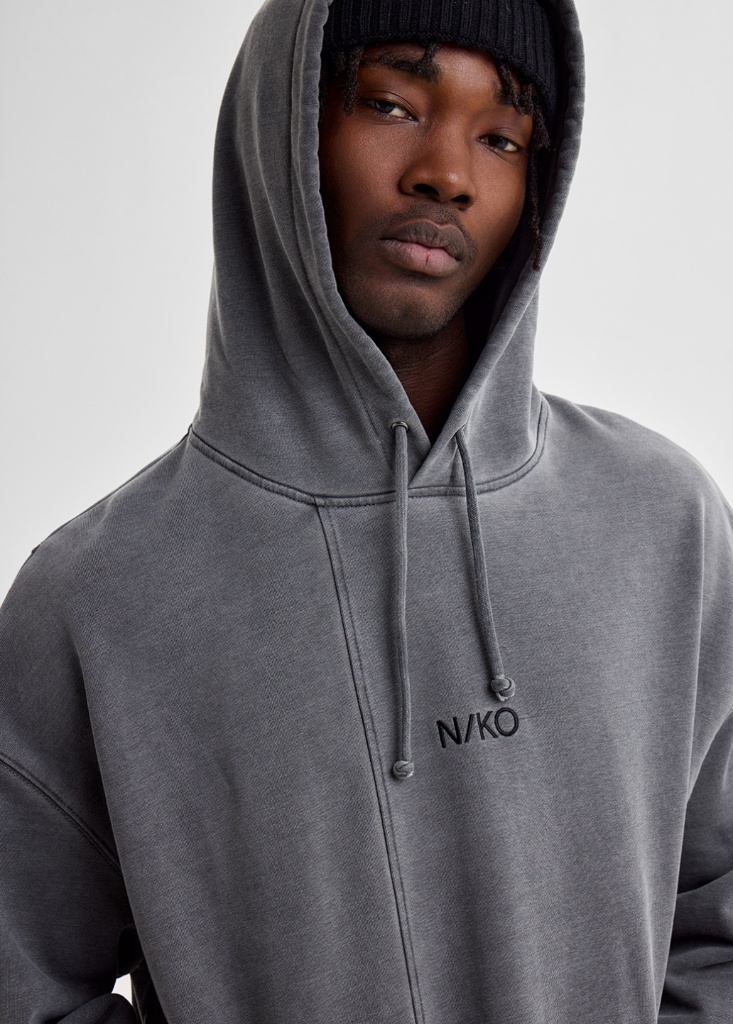
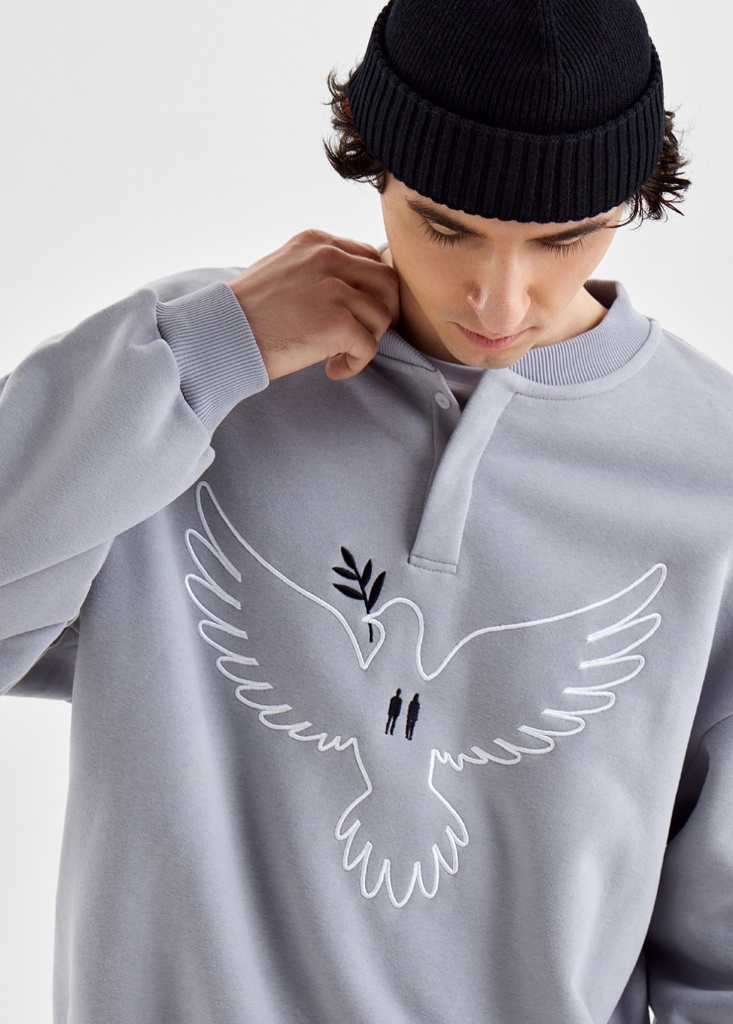
If longevity is your priority, embroidery usually wins. Thread doesn't crack, peel, or fade the way ink can, and a well-stitched logo can outlive the garment itself. It holds up to industrial washing, which is why uniforms, workwear, and outdoor gear so often use it.Printing durability depends heavily on the technique:
- Screen printing holds color well for years if cured properly, though heavy designs may soften or crack over time.
- DTG looks great initially but tends to fade faster, especially on dark fabrics.
- Vinyl and heat transfer can peel at the edges after repeated washing and stretching.
Cost: where the numbers shift
Cost is rarely about a single price tag. It depends on quantity, color count, and design complexity. Embroidery has a higher setup cost because the design must be digitized first, and machine time scales with stitch count. A dense, large logo costs more than a small simple one. But once the file exists, per-piece pricing stays fairly stable across quantities. Printing flips the math depending on method. Screen printing gets cheaper per unit as volume grows, since the labor goes into making the stencil, not each shirt – that makes it ideal for large runs. DTG has almost no setup, so it's cost-effective for one-offs and small batches, but the per-piece price barely drops at scale.A rough way to think about it:
- Small order, many colors, full-color artwork → DTG printing
- Large order, few colors → screen printing
- Logos, monograms, premium feel, long-term wear → embroidery
When each one makes sense
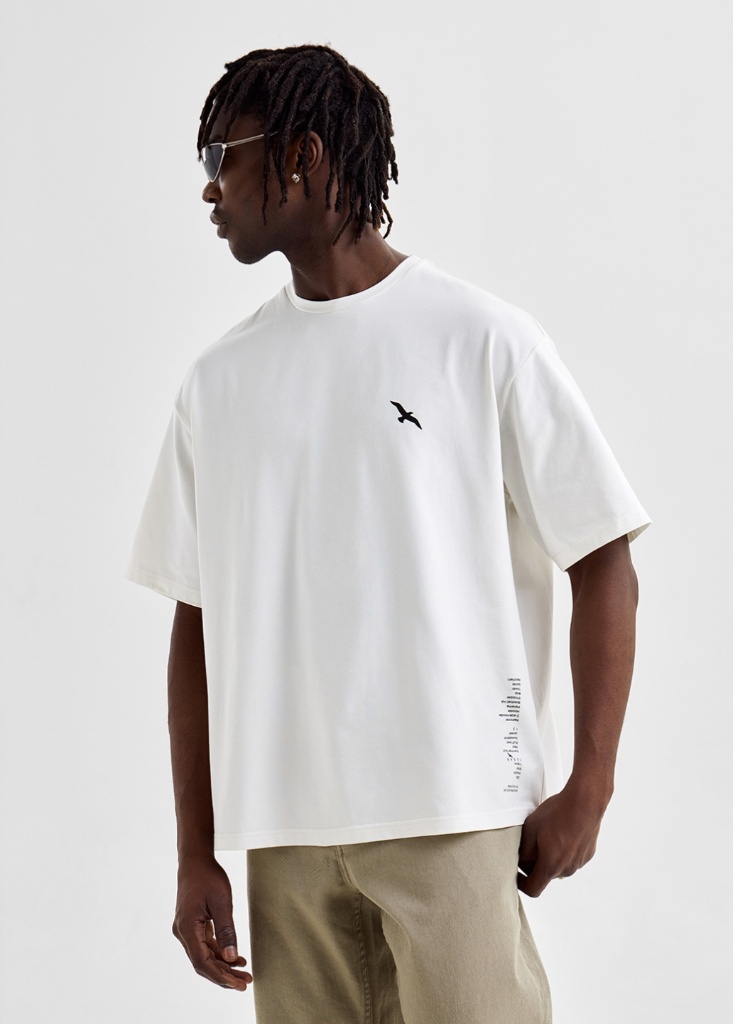
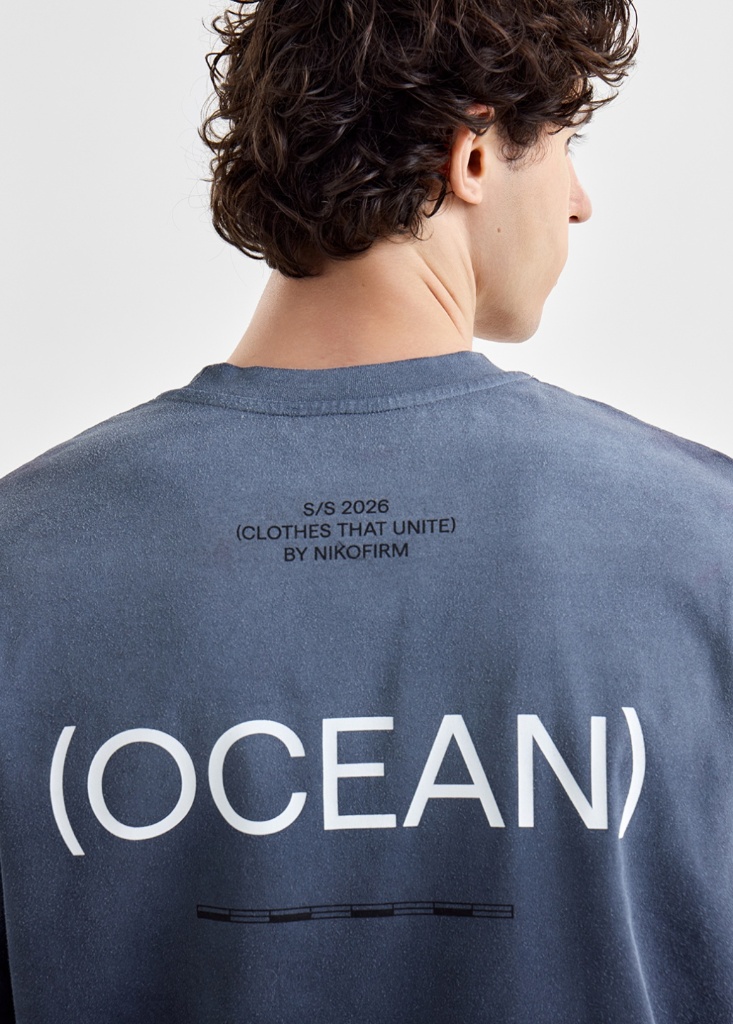
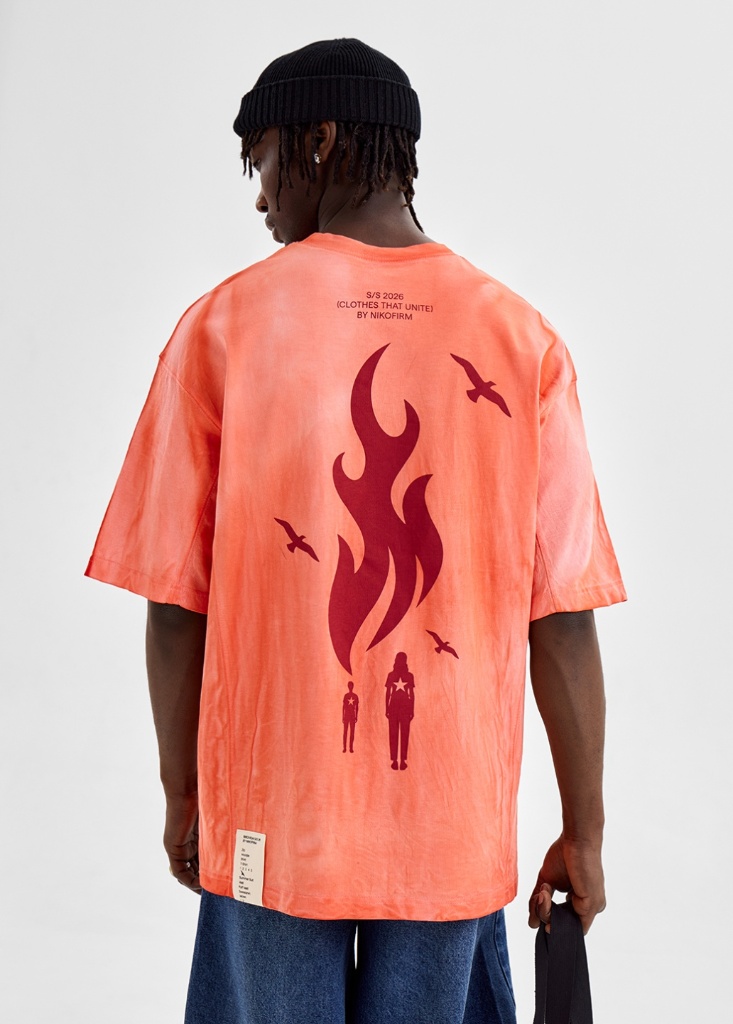
Reach for embroidery when you want a polished, professional look and lasting quality. It shines on caps, polos, fleece, jackets, bags, and corporate wear. The texture reads as quality, and clients tend to perceive embroidered branding as more premium.Choose printing when your design has gradients, photographic detail, or many colors that thread simply can't reproduce cleanly. It's also the natural pick for soft t-shirts, large back prints, event merchandise, and anything where a lightweight, flat finish matters. Printing handles intricate artwork that would be impractical – or wildly expensive – to stitch.Fabric plays a role too. Embroidery suits sturdier materials; very thin or stretchy fabrics can pucker under thread. Printing adapts more easily to lightweight and flexible textiles.
A quick decision checklist
Before you commit, run through these:
- Design complexity – simple and bold favors embroidery; detailed or photographic favors printing.
- Order size – large runs reward screen printing; small ones favor DTG or embroidery.
- Garment type – structured items take embroidery well; soft cotton takes print well.
- Lifespan expectation – heavy use leans embroidery; casual use leans printing.
- Budget structure – factor in setup versus per-piece costs, not just the headline rate.
Author — Roman
Manager