

Swag for gaming companies: what studios order and why
08.09.2026Author — Kate
Manager
Contents:
Why Gaming Studios Invest in Branded Merchandise
What Studios Typically Order
Choosing the Right Swag for the Audience
Making Merch Work for Your Studio
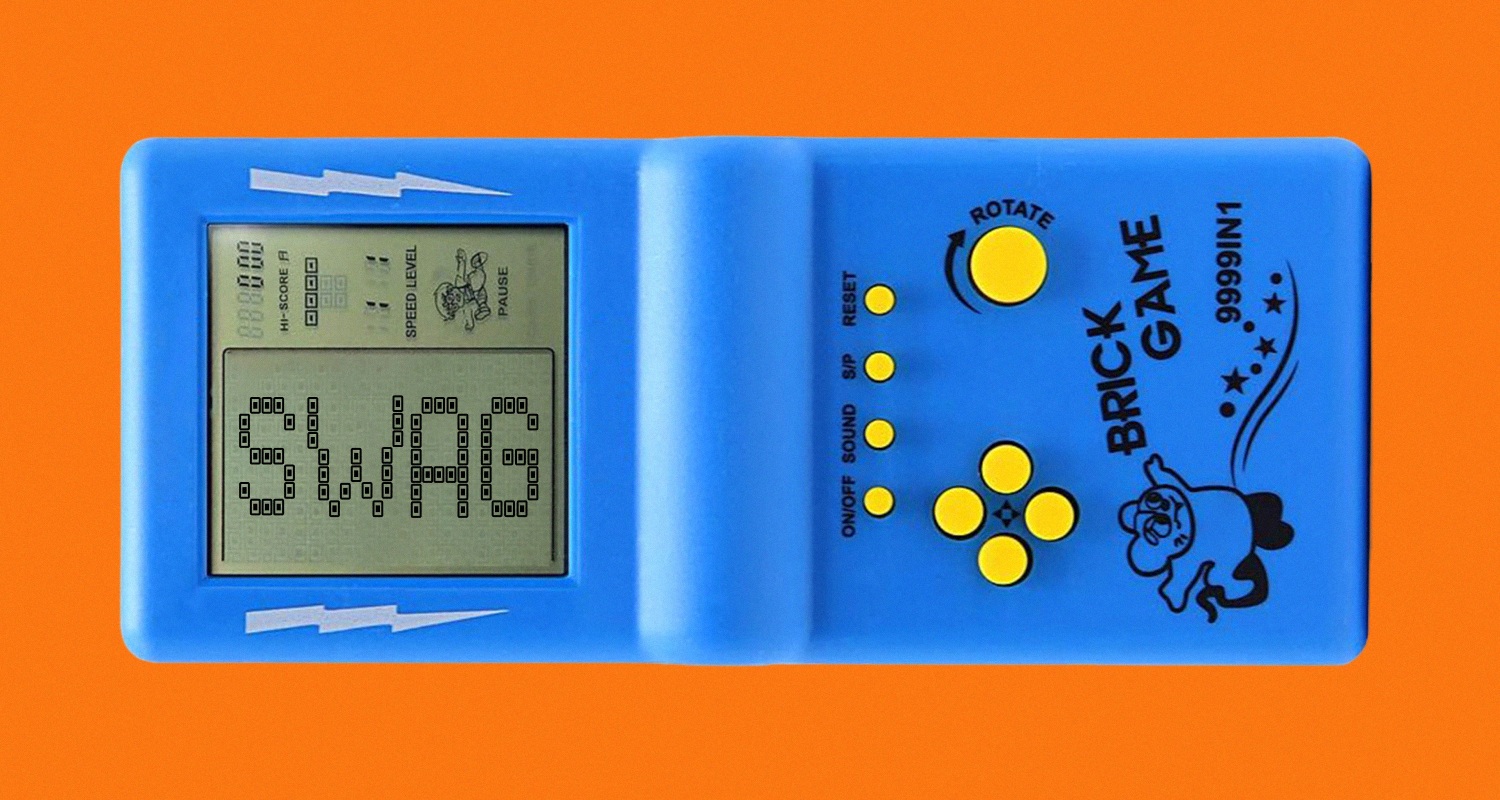
Gaming studios have always understood the value of a strong identity. Long before merch became a marketing staple, players were trading enamel pins, wearing faction t-shirts, and displaying figurines on their desks. What started as fan culture has turned into a deliberate strategy, and studios now treat branded goods as an extension of the worlds they build.The reasons behind these orders vary. Some companies want to reward loyal employees, others aim to build hype before a launch, and many simply understand that a well-made physical object keeps their name in front of people long after the screen goes dark. Let's look at what studios actually order and the thinking behind it.
Why Gaming Studios Invest in Branded Merchandise
A game lives inside a screen, but its fans want something they can hold. That gap is exactly what merch fills. When someone owns a hoodie tied to a game they love, they become a walking advertisement – one that carries genuine emotional attachment rather than a paid endorsement. There are practical business drivers too. Studios use branded goods to:
- Strengthen community bonds by giving fans a tangible way to signal belonging and shared taste.
- Generate revenue through dedicated merch stores, since popular franchises can turn apparel and collectibles into a serious income stream.
- Support marketing pushes around new releases, expansions, or anniversaries when a physical reminder keeps interest alive.
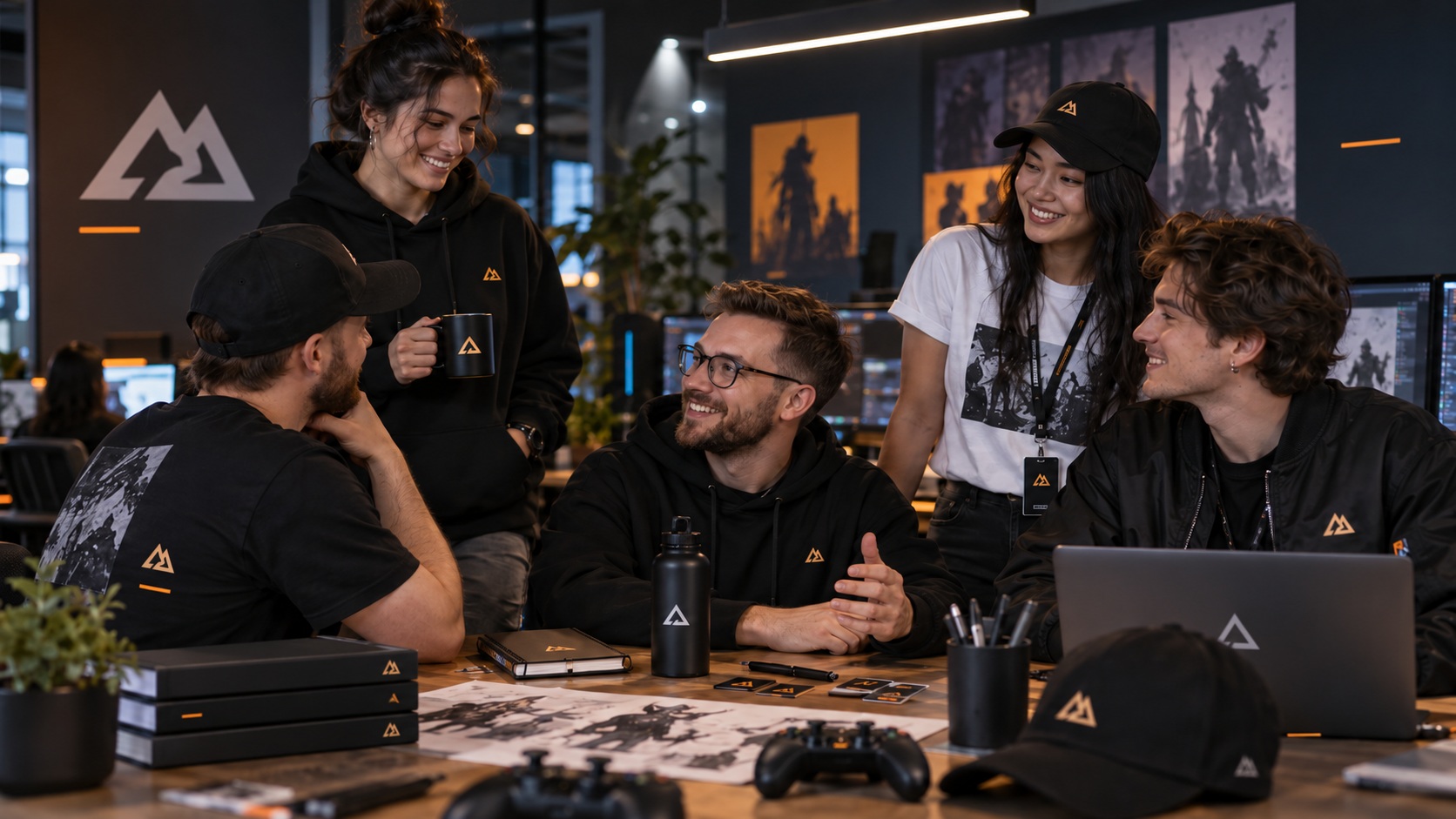
- Reward teams internally, because developers who feel proud of their studio tend to stay longer and speak about their work with enthusiasm.
What Studios Typically Order
The range of gaming swag has grown far beyond the printed t-shirt. Studios today think about quality, uniqueness, and how well an item fits the aesthetic of their franchise. A horror game and a cozy farming sim call for very different merchandise, and studios know it.
Apparel and Wearables
Clothing remains the backbone of any merch line. Hoodies, tees, and caps are dependable because people wear them constantly and, in doing so, spread the brand without effort. Beyond the basics, studios frequently order embroidered jackets for teams, limited-run shirts for conventions, and even socks or beanies featuring in-game motifs. The trend leans toward subtle designs that fans recognize while newcomers simply see something stylish.
Collectibles and Desk Items
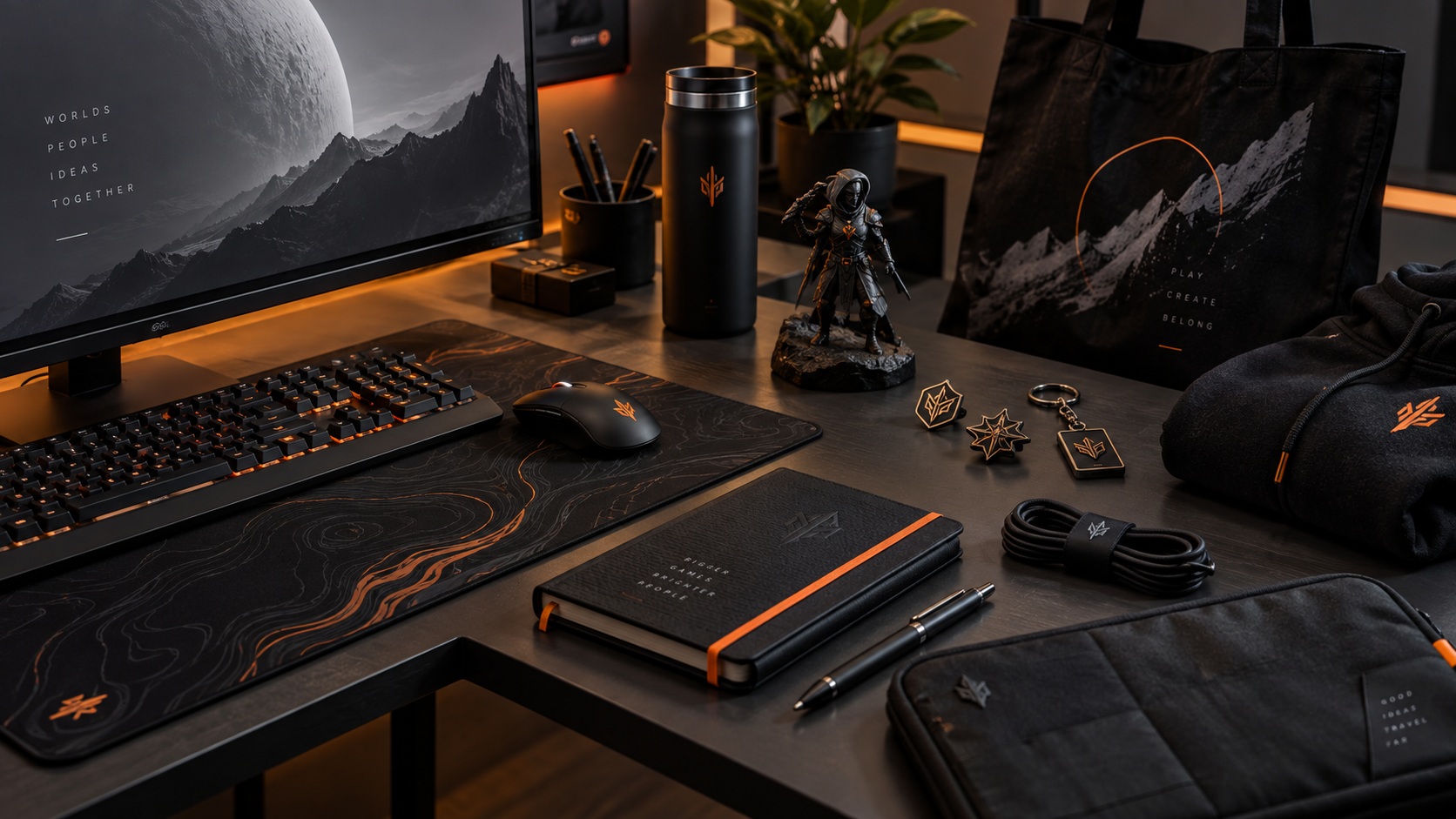
This category tends to inspire the most creativity. Figurines, enamel pins, keychains, and art prints let studios celebrate specific characters or moments. Collectors chase these items, and limited editions can build remarkable demand. Desk-friendly objects like mousepads, coasters, and mini statues also stay in a player's line of sight during long sessions, quietly reinforcing the connection to the game.
Practical Everyday Gear
Not every order is about collecting. Plenty of studios prefer items that people genuinely use, which keeps the brand present in daily life. Common picks include:
- Water bottles and tumblers marked with a game logo or emblem.
- Backpacks and tote bags designed for conventions and travel.
- Notebooks, stickers, and stationery aimed at younger fans.
- Tech accessories such as cable organizers, phone grips, and laptop sleeves.
Choosing the Right Swag for the Audience
Ordering merch without understanding the audience is a common mistake. A competitive esports title attracts a different crowd than a narrative indie adventure, and the products should reflect that difference. Studios that get it right pay attention to a few key factors.
- Match the tone. Playful games can lean into bright colors and humor, while darker titles benefit from sleek, minimal designs.
- Prioritize quality. Cheap merch damages a brand faster than no merch at all, so durable materials and clean printing matter.
- Think about scale. A small indie team and a major publisher have different budgets and quantities, and a good supplier adjusts accordingly.
- Plan around timing. Convention seasons, launch windows, and holidays all shape what gets ordered and when.
Making Merch Work for Your Studio
Gaming swag succeeds when it feels like a natural piece of the world a studio has created rather than a generic promotional tool. The best items spark recognition, invite conversation, and give both fans and employees a reason to feel connected to something bigger than a single game. Whether you're preparing a limited collection for a big reveal or building a steady merch line for a growing community, the process starts with a partner who understands both quality and creative execution. For studios looking to bring their branded gear to life, Nikofirm offers a reliable way to produce merchandise that captures the spirit of your games and resonates with the players who love them.
Author — Kate
Manager